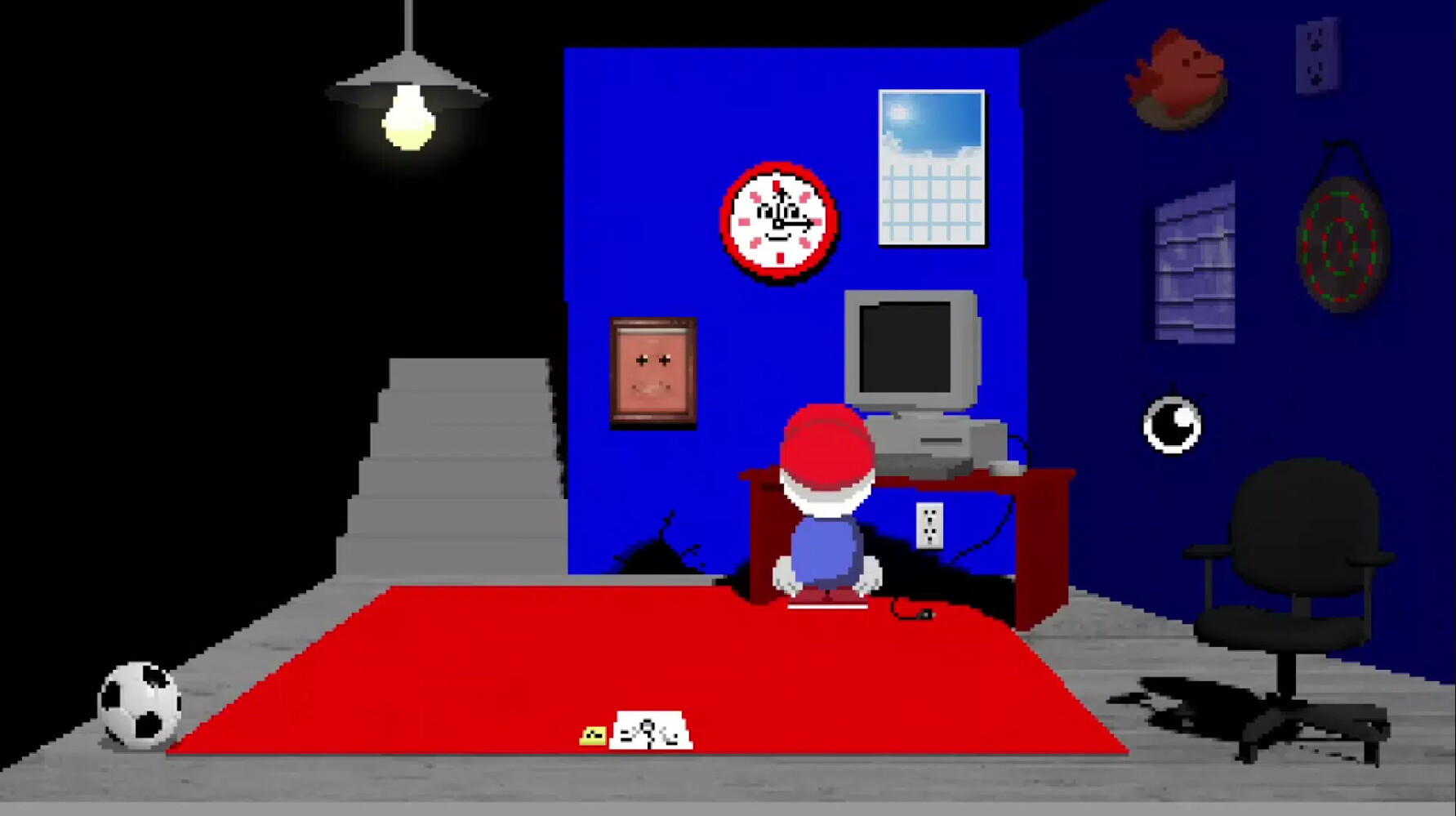
Solve more of Endacopia yourself by diagnosing the kind of blocker you face, then reveal only the amount of help you need. Record the visible state first, test one relationship at a time, and compare the result before escalating to a stronger hint.
Puzzle help
Diagnose the blocker before seeking a solution
A puzzle can feel impossible for very different reasons. You may not have found the puzzle yet, may lack a required item, may have seen the clue but misclassified it, may be interacting in the wrong state, or may already have completed the action without noticing the consequence. Asking for a full solution before identifying the category often reveals more than necessary.
Begin by stating the obstacle in neutral terms: 'the interface accepts input but nothing changes' is more useful than 'the code is broken.' Then list direct evidence and attempted actions. This description often exposes an unsupported assumption, such as believing that a number must be a code or that a decorative object must be the target.
Useful puzzle families
The current evidence does not justify a final list of Endacopia's puzzle taxonomy, but point-and-click blockers can be organized into practical families. Environmental puzzles depend on visual arrangement or scene change. Inventory puzzles depend on an object's function or state. Dialogue puzzles depend on topics, knowledge, or timing. Interface puzzles use controls, files, prompts, or feedback inside a nested screen. Sequence puzzles depend on order, and transition puzzles depend on recognizing a newly available route.
A puzzle may span several families. A wall object can supply a clue for the computer, whose result changes a dialogue option, which yields an item. The guide should describe that chain without pretending each step is independent.
Use four hint layers
Layer one names the puzzle family. Layer two points to the relevant location or evidence source. Layer three explains the relationship between clue and target. Layer four states the exact action and consequence. Readers should be able to stop after any layer and continue playing.
When verified solutions are added, each layer should be independently meaningful. Avoid three vague hints followed by an abrupt answer, and never leak the solution through a heading, URL, image filename, alt text, or card excerpt.
Read interfaces literally
Old-computer imagery invites assumptions based on real operating systems, but the game's interface may follow its own rules. Record exact labels, enabled and disabled states, cursor limits, and response timing. If a control changes color or sound, capture whether the change persists. Treat error text as a clue only after confirming that it differs by input.
Inputs should be tied to evidence. Before entering a number, word, or sequence, identify why the interface would accept that type of information and where the connection is signaled. Nearby visual proximity is suggestive, not proof.
Connect environment and inventory
When an item seems purposeless, look for a scene that expresses its function, shape, material, or symbol. When a scene object seems unusable, look for an item that addresses a visible deficiency. The strongest pairing is supported by multiple features: a shape match plus dialogue, or a functional match plus a unique rejection response.
If a combination partly works, record the new state before trying anything else. Partial progress can alter descriptions elsewhere. A world-state loop after every major puzzle action is more efficient than continuing to press the same target.
Standard for exact solutions
An exact solution is publishable only when an editor can reproduce it from a clean state, identify all prerequisites, and state the visible consequence. The record should include build version, save state assumptions, optional steps, and whether alternate orders work. One successful accidental run is not enough.
This page teaches a reproducible solving model and withholds exact route data that has not been confirmed in a versioned playthrough. The gap is stated directly instead of hidden behind generic prose.
A quick reset checklist
When stuck, confirm scene coverage, repeated interactions, dialogue refresh, item inspection, interface states, and changed locations. Then revisit the puzzle with one assumption removed. If you assumed a number is numeric, consider order, position, color, or shape. If you assumed an object is a tool, consider whether it is information, bait, identity, or a trigger.
Use the walkthrough only after this checklist. The goal is not to withhold help, but to preserve the moment when the game's own logic becomes legible.
- Describe the blocker without naming a guessed solution.
- Separate observed facts from inferred meaning.
- Identify the puzzle family or chain of families.
- Check prerequisites and world state.
- Reveal hints one layer at a time.
- Verify exact actions in the same build before publishing.
Frequently asked questions
Are exact Endacopia puzzle answers included?
Not yet, because no complete versioned playthrough was retained. The page provides a robust hint framework and a precise evidence checklist.
What should I do after a puzzle partly reacts?
Stop and record the new state, then revisit known scenes and dialogue before repeating the action.
How do I know whether a number is a code?
Look for an explicit relationship between the number, the input format, and the target; proximity alone is not enough.
Why use layered hints?
They let players request only the help they need and prevent accidental exposure to later consequences.